Unifying Communities: The Power of Mural Arts
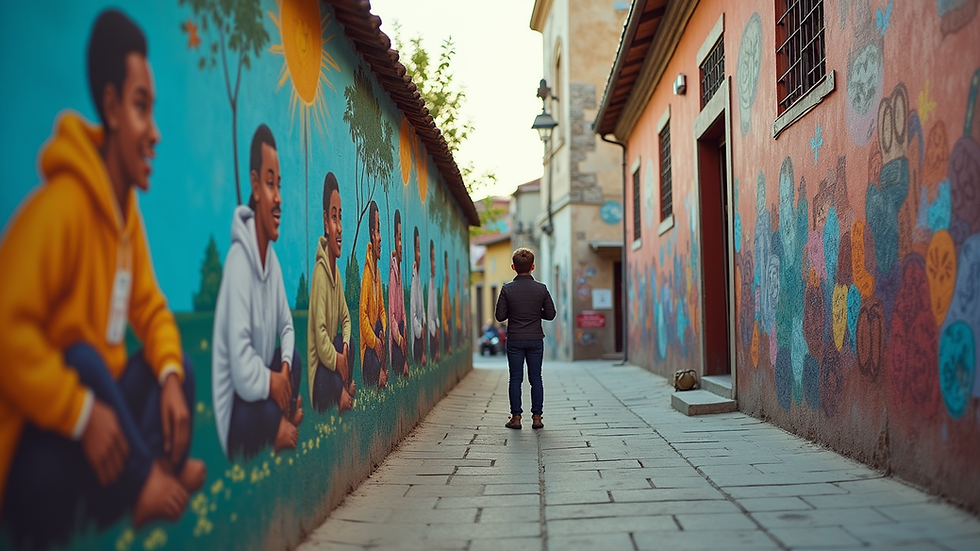
Mural arts have the unique ability to transform public spaces and foster a sense of community. They serve as a canvas for expression, storytelling, and cultural representation. In an age where urban environments can feel disconnected, murals offer a way to unite people through shared experiences and visual narratives. This blog post explores the profound impact of mural arts on communities, highlighting their role in social cohesion, cultural identity, and community engagement.
The Historical Context of Mural Arts
Mural arts have a rich history that dates back thousands of years. From the ancient cave paintings of Lascaux to the grand frescoes of the Renaissance, murals have always been a form of storytelling. In modern times, they have evolved into a powerful medium for social commentary and community expression.
Ancient Beginnings
Cave Paintings: The earliest forms of mural art can be traced back to prehistoric times, where early humans used natural pigments to depict their surroundings.
Cultural Significance: Many ancient civilizations, such as the Egyptians and the Maya, used murals to convey religious beliefs and historical events.
The Renaissance and Beyond
Fresco Techniques: The Renaissance saw the rise of fresco painting, where artists like Michelangelo and Raphael created stunning works on the ceilings of churches and public buildings.
Political Statements: In the 20th century, murals became a tool for political expression, particularly in Mexico with artists like Diego Rivera and David Alfaro Siqueiros.
The Role of Murals in Community Identity
Murals are more than just decorative art; they are a reflection of the community's identity. They can encapsulate the history, struggles, and aspirations of the people who live there.
Celebrating Diversity
Murals often celebrate the diversity of a community, showcasing different cultures, traditions, and stories. For example, in neighborhoods with a rich immigrant history, murals can depict the journeys and contributions of various ethnic groups.
Creating a Sense of Place
A well-placed mural can transform a dull wall into a vibrant landmark. This transformation helps residents feel a sense of pride in their surroundings. For instance, the "Greetings from Austin" mural in Texas has become an iconic symbol of the city, attracting both locals and tourists.
Case Study: The Philadelphia Mural Arts Program
The Philadelphia Mural Arts Program is one of the largest public art programs in the United States. It has created over 4,000 murals since its inception in 1984. This program not only beautifies the city but also engages residents in the artistic process, fostering a sense of ownership and pride.
Murals as Tools for Social Change
Murals can serve as powerful tools for social change, addressing issues such as inequality, injustice, and environmental concerns. They can spark conversations and inspire action within communities.
Addressing Social Issues
Murals often tackle pressing social issues, such as racism, poverty, and violence. For example, the "Black Lives Matter" mural in Washington, D.C., serves as a bold statement against racial injustice and has become a rallying point for activists.
Engaging Youth
Many mural projects involve local youth, providing them with opportunities to express themselves creatively. This engagement can lead to increased self-esteem and a sense of belonging. Programs like "ArtWorks" in Cincinnati empower young people to create murals that reflect their experiences and aspirations.
The Process of Creating Murals
Creating a mural is a collaborative process that involves artists, community members, and often local organizations. This collaboration is essential for ensuring that the mural resonates with the community.
Steps in the Mural Creation Process
Community Engagement: Artists often begin by engaging with community members to gather input and ideas.
Design Development: Based on feedback, artists create a design that reflects the community's identity and values.
Execution: The mural is painted, often with the help of volunteers from the community.
Unveiling: The completed mural is unveiled in a celebration that brings the community together.
Example: The "Hope" Mural in Los Angeles
The "Hope" mural, created by artist Shepard Fairey, was designed to inspire and uplift the community during challenging times. The mural's creation involved local residents, making it a true representation of the community's spirit.

The Economic Impact of Murals
Beyond their aesthetic and social value, murals can also have a significant economic impact on communities. They can attract tourism, increase property values, and stimulate local businesses.
Boosting Local Tourism
Murals can become tourist attractions, drawing visitors who want to experience the local culture. Cities like Wynwood in Miami have transformed into art districts, with murals serving as the main draw for tourists.
Increasing Property Values
Research has shown that neighborhoods with vibrant murals often see an increase in property values. This rise can be attributed to the enhanced visual appeal and the sense of community that murals foster.
Supporting Local Businesses
Murals can also benefit local businesses by attracting foot traffic. A well-placed mural can encourage people to explore nearby shops and restaurants, boosting the local economy.
Challenges and Controversies
While murals have many benefits, they are not without challenges. Issues such as funding, maintenance, and community disagreements can arise.
Funding and Resources
Securing funding for mural projects can be a significant hurdle. Many artists rely on grants, sponsorships, or community fundraising to cover costs. Without adequate funding, projects may be delayed or scaled back.
Maintenance and Preservation
Murals are subject to wear and tear from weather and vandalism. Communities must prioritize maintenance to ensure that these artworks remain vibrant and relevant.
Community Disagreements
Not all community members may agree on the themes or styles of murals. It is essential for artists and organizers to facilitate open discussions to address concerns and find common ground.
The Future of Mural Arts
As cities continue to evolve, the role of mural arts will likely expand. With advancements in technology and a growing emphasis on community engagement, the future of murals looks promising.
Embracing Technology
Digital murals and augmented reality are emerging trends that can enhance the mural experience. These technologies can provide interactive elements, allowing viewers to engage with the artwork in new ways.
Continued Community Involvement
The emphasis on community involvement will remain crucial. As more people recognize the power of murals to unite and inspire, we can expect to see an increase in collaborative projects that reflect the diverse voices within communities.
Conclusion
Mural arts hold immense power to unify communities, celebrate diversity, and inspire social change. They transform public spaces into vibrant canvases that tell stories and foster connections. As we continue to embrace the potential of mural arts, we can create environments that reflect our shared values and aspirations. The next time you encounter a mural, take a moment to appreciate the artistry and the community spirit it embodies. Consider how you can support local mural projects or even participate in creating one yourself. Together, we can harness the power of mural arts to build stronger, more connected communities.

Comments