Healing Through Mural Art: Community Transformation
Mural art has the power to transform not just walls, but entire communities. In recent years, cities around the world have embraced mural projects as a means of revitalizing neighborhoods, fostering community spirit, and addressing social issues. This blog post explores how mural art serves as a catalyst for healing and transformation, highlighting specific examples and the profound impact it can have on communities.
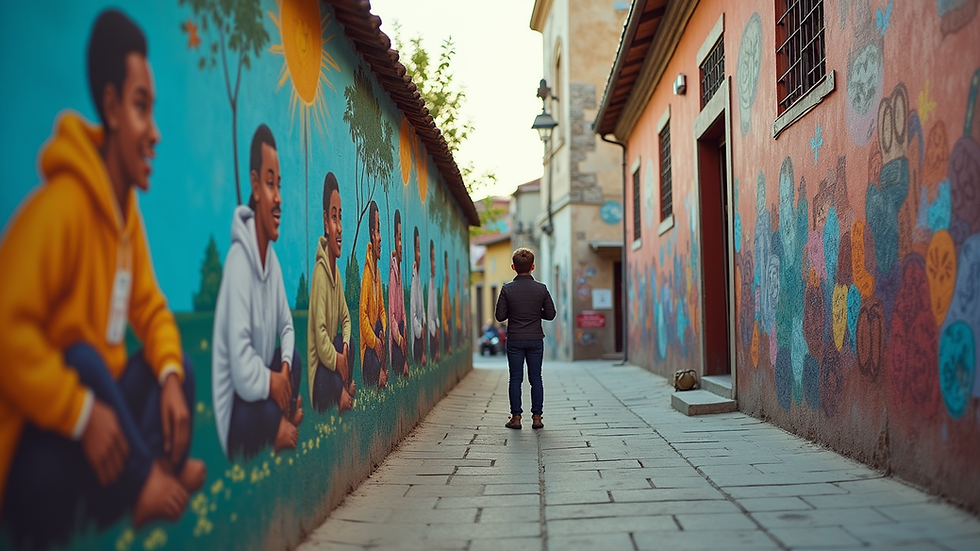
The Power of Public Art
Public art, particularly murals, plays a crucial role in shaping the identity of a community. Unlike traditional art forms that are confined to galleries, murals are accessible to everyone. They can tell stories, celebrate cultural heritage, and provoke thought. Here are some key benefits of mural art:
Accessibility: Murals are visible to all, breaking down barriers that often exist in the art world.
Cultural Expression: They provide a platform for artists to express their cultural backgrounds and experiences.
Community Engagement: Murals often involve community members in the creation process, fostering a sense of ownership and pride.
Case Study: The Philadelphia Mural Arts Program
One of the most notable examples of mural art's impact is the Philadelphia Mural Arts Program. Established in 1984, this initiative has created over 4,000 murals throughout the city. The program not only beautifies neighborhoods but also addresses social issues such as poverty, violence, and mental health.
Through community workshops, residents collaborate with artists to design and paint murals that reflect their stories and aspirations. This process not only enhances the aesthetic appeal of the area but also promotes healing and unity among residents. The murals serve as a reminder of the community's resilience and strength.
Healing Through Art
Art has long been recognized for its therapeutic benefits. Mural art, in particular, can play a significant role in healing individuals and communities. Here are some ways mural art contributes to healing:
Emotional Expression: Creating art allows individuals to express their emotions, which can be particularly beneficial for those dealing with trauma.
Community Bonding: Collaborative mural projects foster connections among community members, reducing feelings of isolation.
Positive Change: Murals can address social issues, sparking conversations and encouraging community action.
Example: The "Healing Walls" Project
In 2018, the "Healing Walls" project was launched in a neighborhood in Los Angeles that had been affected by violence. Local artists collaborated with residents to create murals that depicted themes of hope, resilience, and healing. The project not only beautified the area but also provided a space for community members to come together, share their stories, and support one another.
The Role of Artists in Community Transformation
Artists are at the forefront of community transformation through mural art. They not only create visually stunning pieces but also act as facilitators for dialogue and change. Here are some ways artists contribute to this transformation:
Storytelling: Artists use their work to tell the stories of the community, highlighting its history and culture.
Advocacy: Many artists use their platforms to advocate for social justice and raise awareness about pressing issues.
Mentorship: Experienced artists often mentor young, aspiring artists, fostering a new generation of creative voices.
Spotlight: Artist JR and His Impact
French artist JR is known for his large-scale public art installations that often feature portraits of individuals from marginalized communities. His work aims to humanize social issues and spark conversations. In 2011, he launched the "Inside Out" project, which invited people from around the world to share their stories through portraits. This initiative not only empowered individuals but also created a global movement of art and activism.
Murals as a Tool for Economic Development
Beyond their aesthetic and social benefits, murals can also drive economic development in communities. Here’s how:
Attracting Tourism: Cities with vibrant mural scenes often attract tourists, boosting local businesses.
Increasing Property Values: Well-executed murals can enhance the appeal of neighborhoods, leading to increased property values.
Creating Jobs: Mural projects often require local labor, providing job opportunities for community members.
Example: The Wynwood Walls in Miami
The Wynwood Walls in Miami is a prime example of how mural art can transform an area economically. Once a neglected industrial district, Wynwood has become a thriving arts hub, attracting visitors from around the world. The murals have not only revitalized the neighborhood but have also spurred the growth of galleries, restaurants, and shops, creating a vibrant community.
Challenges and Considerations
While mural art has many benefits, it is not without challenges. Here are some considerations for communities looking to implement mural projects:
Funding: Securing funding for mural projects can be a significant hurdle. Communities may need to explore grants, sponsorships, or crowdfunding options.
Community Buy-In: It is essential to involve community members in the planning process to ensure the murals reflect their values and stories.
Maintenance: Murals require ongoing maintenance to preserve their beauty and impact. Communities should plan for this aspect from the outset.
Strategies for Successful Mural Projects
To ensure the success of mural projects, consider the following strategies:
Engage Local Artists: Collaborating with local artists can foster a sense of ownership and pride within the community.
Host Workshops: Organizing workshops can help educate community members about the mural process and encourage participation.
Create a Vision: Establish a clear vision for the mural project that aligns with the community's goals and values.
Conclusion
Mural art is more than just paint on a wall; it is a powerful tool for healing and community transformation. By fostering emotional expression, promoting social change, and driving economic development, murals can create lasting impacts on communities. As we continue to explore the potential of public art, it is essential to recognize the voices of artists and community members alike in shaping the narratives that define our neighborhoods.
As you consider the role of art in your community, think about how you can support local mural projects or even start one of your own. Together, we can paint a brighter future for our neighborhoods.


Comments